Animal Ark's Animal Wise Radio Receives Henry Bergh Leadership Award
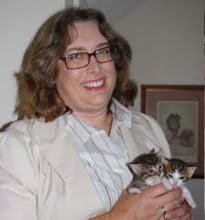
In recognition for their unwavering committement to helping animals, Animal Ark's Mike Fry and Beth Nelson received one of the top animal welfare achievements of the year. They were recognized as leaders in the no kill movement, and for giving a national voice to many others working to save animals. Mike and Beth were included with five others who were presented with this presigious award by the nations top animal advocacy agency, the No Kill Advocacy Center.
"It is with pride and humility that we stand side-by-side with our own heros as we recieve this award," said Fry.
Other recipients of the Henry Bergh Leadership Award included Bonney Brown, Executive Director of the Nevada Humane Society, Susanne Kogut, Executive Director of the Charlottesville SPCA, Ryan Clinton from FixAustin, Joan Shaffner, Director of the Animal Law Program at George Washington University Law School and Claire Davis, President of the Coalition for a No Kill King County.
About Henry Bergh
Henry Bergh was a 19th Century animal advocate who launched the humane movement in North America. He gave the first speach on animal protection in the U.S., founded the nation's first humane society, and succeeded in passing the nation's first anti-cruelty law. Every night, Bergh would patrol the streets of his native New York City looking for animals in need of protection. Upon his death, the poet Henry Wadsworth Longfellow wrote of him:
Among the nobelest of the land; Though he may count himself the least; That man I honor and revere; Who, without favor, without fear; In the great city dares to stand; The friend of every friendless beast
Henry Bergh, we remember you with passion and light. It is in good company that Animal Ark and Animal Wise Radio stand this holiday season! Read More.
Tuesday, December 29, 2009

Thursday, December 10, 2009
New law needed to control MN puppy mills
Breaking News: Federal Judge Terminates Kathy Bauck’s USDA License
Animal Welfare Advocates Express Concern for Several Hundred Dogs Remaining in Her Care
Kathy Bauck, a Minnesota-based dog breeder, is arguably one of the nation's most notorious puppy mill operators. For years, Bauck has been making headlines all around the United States. She has been accused of selling sick puppies, of misrepresenting her animals, and of practicing veterinary medicine without a licence. She has also been convicted multiple times of animal cruelty and animal torture.
Bauck’s most recent conviction included 4 counts of animal cruelty and torture – a verdict that was handed down in March of 2009. At that time, most Minnesotans believed that would be the end of Bauck’s operation. They were wrong. Bauck has continued to operate two businesses, “Pick of the Litter” and “Puppies on Wheels” ever since.
“Most people are shocked to find out that a puppy mill operator in Minnesota can be convicted of cruelty and torture of animals, and continue operating,” said Mike Fry, Executive Director of Animal Ark, Minnesota’s largest no kill animal welfare organization, and a nationally recognized expert on puppy mills.
“People think that a cruelty conviction would automatically put an operation like this out of business. That is simply not the case, because the State of Minnesota has no means whatsoever available to regulate puppy mills,” Fry said.
This week, a federal judge responded to a request for summary judgment to revoke Bauck’s USDA license. The USDA itself made that request. In its request to have Bauck’s license terminated, the USDA stated that Bauck and her family were “unfit” to operate a breeding operation. On December 2, the judge announced their decision, in favor of the USDA’s request, and allowing Bauck 10 days for appeal.
“The irony is that if the revocation of Bauck’s USDA license stands, she will still be able to keep her dogs,” said Dr. Linda Wolf a veterinarian who served as one of the key expert witnesses in the most recent animal cruelty case against Bauck.
“The USDA only regulates the sale of dogs to commercial sources, like pet shops, brokers and wholesalers. They have no say as to whether or not Bauck gets to keep her dogs,” Wolf added.
A strange, disconnected patchwork of laws allows Bauck to keep hundreds of breeding dogs without a USDA license and after having been convicted of animal cruelty and torture and of practicing veterinary medicine without a license.
“A key piece of legislation is missing from the regulatory and enforcement scheme in Minnesota,” said Fry. “There is no State law allowing intervention or enforcement at all.”
Fry adds that the judge could have ordered the confiscation of her dogs when she was convicted of animal cruelty and torture. However, because she – like most other large-scale puppy mills – lives in a very small rural county, taking this action would have been nearly impossible.
“During her career, Bauck has held up to 1,200 breeding dogs at one time, plus puppies,” said Fry. “State law requires that animals confiscated due to cruelty charges be impounded for a minimum of 10 days. If the puppy mill operator appeals, the impoundment period could drag on for months and cost the county millions of dollars.”
In other words, Fry says, the State of Minnesota, due to its failure to regulate the large-scale, commercial dog breeding industry, has allowed businesses to grow to a size where the counties simply cannot regulate them. Some counties have fixed this problem by enacting local ordinances that limit the number of breeding animals an operator may own. However, according to Fry, and a growing number of breeders, veterinarians and animal welfare advocates, that is simply not enough.
“We need a State-level law that provides for regulation and enforcement of this industry,” said Dr. Wolf.
Fry, Wolf and many others have been working for several years to draft and pass legislation that would close this gaping loophole in the animal welfare statutes. As a result, two companion bills were introduced in the Minnesota House and Senate last year. Senate File 7 and House File 253 would help the State to enforce existing animal welfare statutes, and would prevent people who have been convicted of animal cruelty and animal torture from operating puppy mills, something that seems pretty common-sense to most Minnesotans.
Last year, Senate File 7 and House File 253 made good progress moving through the legislature. After passing several committees, both bills landed in the Agriculture Committees in the House and Senate, where they are expected to receive hearings early in 2010.
“The little opposition to these bills that has been seen at the legislature has almost all come from the people in the Ag Industry,” said Fry. “So, while there is widespread support for this urgently needed legislation, we need supporters to show up and let their voices be heard at the legislature in 2010.”
In the meantime, animal welfare advocates are concerned with the plight of the dogs remaining on Bauck’s property.
“The termination of Bauck’s USDA license prevents her from selling dogs to her normal sales channels,” added Wolf. “Without the ability to sell the dogs, and to make money, her ability to care for several hundred dogs is seriously in question.”
According to estimates, there are several hundred dogs remaining on the property. If closed, it could be one of the largest puppy mill closures in US history. She has been in operation for approximately 20 years.
Animal Welfare Advocates Express Concern for Several Hundred Dogs Remaining in Her Care
Kathy Bauck, a Minnesota-based dog breeder, is arguably one of the nation's most notorious puppy mill operators. For years, Bauck has been making headlines all around the United States. She has been accused of selling sick puppies, of misrepresenting her animals, and of practicing veterinary medicine without a licence. She has also been convicted multiple times of animal cruelty and animal torture.
Bauck’s most recent conviction included 4 counts of animal cruelty and torture – a verdict that was handed down in March of 2009. At that time, most Minnesotans believed that would be the end of Bauck’s operation. They were wrong. Bauck has continued to operate two businesses, “Pick of the Litter” and “Puppies on Wheels” ever since.
“Most people are shocked to find out that a puppy mill operator in Minnesota can be convicted of cruelty and torture of animals, and continue operating,” said Mike Fry, Executive Director of Animal Ark, Minnesota’s largest no kill animal welfare organization, and a nationally recognized expert on puppy mills.
“People think that a cruelty conviction would automatically put an operation like this out of business. That is simply not the case, because the State of Minnesota has no means whatsoever available to regulate puppy mills,” Fry said.
This week, a federal judge responded to a request for summary judgment to revoke Bauck’s USDA license. The USDA itself made that request. In its request to have Bauck’s license terminated, the USDA stated that Bauck and her family were “unfit” to operate a breeding operation. On December 2, the judge announced their decision, in favor of the USDA’s request, and allowing Bauck 10 days for appeal.
“The irony is that if the revocation of Bauck’s USDA license stands, she will still be able to keep her dogs,” said Dr. Linda Wolf a veterinarian who served as one of the key expert witnesses in the most recent animal cruelty case against Bauck.
“The USDA only regulates the sale of dogs to commercial sources, like pet shops, brokers and wholesalers. They have no say as to whether or not Bauck gets to keep her dogs,” Wolf added.
A strange, disconnected patchwork of laws allows Bauck to keep hundreds of breeding dogs without a USDA license and after having been convicted of animal cruelty and torture and of practicing veterinary medicine without a license.
“A key piece of legislation is missing from the regulatory and enforcement scheme in Minnesota,” said Fry. “There is no State law allowing intervention or enforcement at all.”
Fry adds that the judge could have ordered the confiscation of her dogs when she was convicted of animal cruelty and torture. However, because she – like most other large-scale puppy mills – lives in a very small rural county, taking this action would have been nearly impossible.
“During her career, Bauck has held up to 1,200 breeding dogs at one time, plus puppies,” said Fry. “State law requires that animals confiscated due to cruelty charges be impounded for a minimum of 10 days. If the puppy mill operator appeals, the impoundment period could drag on for months and cost the county millions of dollars.”
In other words, Fry says, the State of Minnesota, due to its failure to regulate the large-scale, commercial dog breeding industry, has allowed businesses to grow to a size where the counties simply cannot regulate them. Some counties have fixed this problem by enacting local ordinances that limit the number of breeding animals an operator may own. However, according to Fry, and a growing number of breeders, veterinarians and animal welfare advocates, that is simply not enough.
“We need a State-level law that provides for regulation and enforcement of this industry,” said Dr. Wolf.
Fry, Wolf and many others have been working for several years to draft and pass legislation that would close this gaping loophole in the animal welfare statutes. As a result, two companion bills were introduced in the Minnesota House and Senate last year. Senate File 7 and House File 253 would help the State to enforce existing animal welfare statutes, and would prevent people who have been convicted of animal cruelty and animal torture from operating puppy mills, something that seems pretty common-sense to most Minnesotans.
Last year, Senate File 7 and House File 253 made good progress moving through the legislature. After passing several committees, both bills landed in the Agriculture Committees in the House and Senate, where they are expected to receive hearings early in 2010.
“The little opposition to these bills that has been seen at the legislature has almost all come from the people in the Ag Industry,” said Fry. “So, while there is widespread support for this urgently needed legislation, we need supporters to show up and let their voices be heard at the legislature in 2010.”
In the meantime, animal welfare advocates are concerned with the plight of the dogs remaining on Bauck’s property.
“The termination of Bauck’s USDA license prevents her from selling dogs to her normal sales channels,” added Wolf. “Without the ability to sell the dogs, and to make money, her ability to care for several hundred dogs is seriously in question.”
According to estimates, there are several hundred dogs remaining on the property. If closed, it could be one of the largest puppy mill closures in US history. She has been in operation for approximately 20 years.
Tuesday, December 8, 2009
Shelter for pets in domestic violence
Mpls. to shelter other victims of domestic violence: Pets
Minneapolis police will let people who fear for their pets board them at Animal Control.
By DAVID CHANEN, Star Tribune
Last update: December 7, 2009 - 11:24 PM
As a Minneapolis woman planned to leave her abusive boyfriend a few months ago, she made a desperate call to the Animal Humane Society in Golden Valley.
She feared she wasn't the only one in danger.
"She's my sweetheart -- I love that cat," she cried into the phone, according to a recording investigators saved. "He said he will kill it and put it in a bag. I'm taking this very seriously."
Senior investigator Keith Streff of the Humane Society said the woman was one of many who have delayed leaving an abusive situation out of fear for their beloved pet's safety.
As part of its continuing domestic violence prevention initiative, the Minneapolis Police Department will start a program next month to allow people to board pets at the city's Animal Control facility for five days at no charge while the owners find a new home.
Only a handful of law enforcement agencies in the United States offer such a service, even though several studies now show that up to 75 percent of victims reported that their abusers threatened, hurt or killed family pets.
Carol Arthur, executive director of the Minneapolis based Domestic Abuse Project, said the research has "finally caught up to what we've been hearing anecdotally for years." A pet is often the sole emotional support for a person in an abusive relationship, she said, giving the victim unconditional love.
Link in chain of violence
"This is why the abuser will threaten to harm the animal to get compliance," she said. "This is one big barrier preventing a person from leaving."
Only a couple of domestic violence organizations in Minnesota, including a woman's shelter in Brainerd, have a program to help victims with pets. Cornerstone, a domestic violence agency in Bloomington, partners with a veterinarian to house pets. They average about a dozen each year, including gerbils and snakes.
Under the new Minneapolis program, police officers who respond to domestics can immediately bring a victim's pet to Animal Control.
Several animal rescue groups have volunteered to foster the pets if the owner needs more than five days. Only the person who placed the pet will be allowed to visit, but they have to sign a form establishing ownership.
"This program is ahead of the curve and definitely should be a model for police departments, to recognize the link between animal and domestic abuse," said Allie Phillips, vice president of public policy for the American Humane Association in Denver.
She estimated that about 700 groups in the United States have some kind of pet kenneling option for domestic violence victims.
Minneapolis doesn't expect to be overwhelmed with kennel requests, so costs for the program are expected to be minimal, said Dan Niziolek, manager of Animal Care And Control. The program will be available 24 hours a day.
"We look at violence in the community, and it starts at home," he said. "We can curb some of it through this program."
The Police Department's domestic violence prevention pilot initiative started in the Fifth Precinct in 2008. The department investigated 18,500 domestic calls in 2007, but many didn't result in arrests. To build better cases, officers began putting suspects in squad cars, reading them their rights and asking questions with the squad camera rolling.
Officers also began doing extensive interviews with alleged victims at the scene and asking them to write a report.
In a year, convictions rose 25 percent. The program, developed by a coalition of social workers and law enforcement and animal humane officials, is now used in all five precincts.
"Cops are pretty astute about what's going on in a home and [while] talking to the victim can pick up fears," said First Precinct Inspector Kris Arneson, who headed up the initiative. "That includes concerns about animals and children."
The Green Bay, Wis., police department has helped assure the safety of more than 50 pets since it started a kenneling program four years ago, said officer Sharon Hensen.
She said she's heard horrific stories, including one involving a man who threw a cat against a wall, breaking all four legs. In a survey of the victims in that city, 80 percent said the abuser hurt or threatened to hurt their pets.
The Minneapolis City Council approved the kennel program last month, with several members praising Niziolek, Arneson and others for their proactive approach to domestic violence. Arthur said Minnesota continues to be a leader in violence intervention since state residents built the first women's shelter in the United States.
Streff, of the Humane Society, shook his head as he listened again last week to the telephone call from the woman pleading on behalf of her cat. He said it was the most chilling domestic abuse-related call he's heard in 22 years as an investigator. But two weeks ago he received an e-mail from a woman whose abuser had kicked her miniature pinscher, breaking its back.
"When they reach out for help about their pets, they are usually right at the brink," he said. "But who knows what might happen after that?"
David Chanen • 612-673-4465
Minneapolis police will let people who fear for their pets board them at Animal Control.
By DAVID CHANEN, Star Tribune
Last update: December 7, 2009 - 11:24 PM
As a Minneapolis woman planned to leave her abusive boyfriend a few months ago, she made a desperate call to the Animal Humane Society in Golden Valley.
She feared she wasn't the only one in danger.
"She's my sweetheart -- I love that cat," she cried into the phone, according to a recording investigators saved. "He said he will kill it and put it in a bag. I'm taking this very seriously."
Senior investigator Keith Streff of the Humane Society said the woman was one of many who have delayed leaving an abusive situation out of fear for their beloved pet's safety.
As part of its continuing domestic violence prevention initiative, the Minneapolis Police Department will start a program next month to allow people to board pets at the city's Animal Control facility for five days at no charge while the owners find a new home.
Only a handful of law enforcement agencies in the United States offer such a service, even though several studies now show that up to 75 percent of victims reported that their abusers threatened, hurt or killed family pets.
Carol Arthur, executive director of the Minneapolis based Domestic Abuse Project, said the research has "finally caught up to what we've been hearing anecdotally for years." A pet is often the sole emotional support for a person in an abusive relationship, she said, giving the victim unconditional love.
Link in chain of violence
"This is why the abuser will threaten to harm the animal to get compliance," she said. "This is one big barrier preventing a person from leaving."
Only a couple of domestic violence organizations in Minnesota, including a woman's shelter in Brainerd, have a program to help victims with pets. Cornerstone, a domestic violence agency in Bloomington, partners with a veterinarian to house pets. They average about a dozen each year, including gerbils and snakes.
Under the new Minneapolis program, police officers who respond to domestics can immediately bring a victim's pet to Animal Control.
Several animal rescue groups have volunteered to foster the pets if the owner needs more than five days. Only the person who placed the pet will be allowed to visit, but they have to sign a form establishing ownership.
"This program is ahead of the curve and definitely should be a model for police departments, to recognize the link between animal and domestic abuse," said Allie Phillips, vice president of public policy for the American Humane Association in Denver.
She estimated that about 700 groups in the United States have some kind of pet kenneling option for domestic violence victims.
Minneapolis doesn't expect to be overwhelmed with kennel requests, so costs for the program are expected to be minimal, said Dan Niziolek, manager of Animal Care And Control. The program will be available 24 hours a day.
"We look at violence in the community, and it starts at home," he said. "We can curb some of it through this program."
The Police Department's domestic violence prevention pilot initiative started in the Fifth Precinct in 2008. The department investigated 18,500 domestic calls in 2007, but many didn't result in arrests. To build better cases, officers began putting suspects in squad cars, reading them their rights and asking questions with the squad camera rolling.
Officers also began doing extensive interviews with alleged victims at the scene and asking them to write a report.
In a year, convictions rose 25 percent. The program, developed by a coalition of social workers and law enforcement and animal humane officials, is now used in all five precincts.
"Cops are pretty astute about what's going on in a home and [while] talking to the victim can pick up fears," said First Precinct Inspector Kris Arneson, who headed up the initiative. "That includes concerns about animals and children."
The Green Bay, Wis., police department has helped assure the safety of more than 50 pets since it started a kenneling program four years ago, said officer Sharon Hensen.
She said she's heard horrific stories, including one involving a man who threw a cat against a wall, breaking all four legs. In a survey of the victims in that city, 80 percent said the abuser hurt or threatened to hurt their pets.
The Minneapolis City Council approved the kennel program last month, with several members praising Niziolek, Arneson and others for their proactive approach to domestic violence. Arthur said Minnesota continues to be a leader in violence intervention since state residents built the first women's shelter in the United States.
Streff, of the Humane Society, shook his head as he listened again last week to the telephone call from the woman pleading on behalf of her cat. He said it was the most chilling domestic abuse-related call he's heard in 22 years as an investigator. But two weeks ago he received an e-mail from a woman whose abuser had kicked her miniature pinscher, breaking its back.
"When they reach out for help about their pets, they are usually right at the brink," he said. "But who knows what might happen after that?"
David Chanen • 612-673-4465
Thursday, December 3, 2009
Wednesday, December 2, 2009
Police dog euthanized at pound
Howard Lake mourns mistaken death of police dog
 Felony, a valued member of the Howard Lake Police Department and a friend to its officers, was nearly 11 years old when he escaped his kennel, ended up at the Animal Humane Society and was destroyed.
By KATIE HUMPHREY, Star Tribune
Last update: November 27, 2009 - 11:42 PM
Most nights, Felony the black Lab rode in the back of a squad car.
As the canine member of the Howard Lake Police Department, he tracked criminals and sniffed for drugs in the lakeside town in rural Wright County. Since 2002, his nose had helped the department uncover narcotics valued at $25,000.
But Felony's career, already slowing as he approached 11 years of age, came to an abrupt end this month.
In a case of mistaken identity and miscommunication, Felony was destroyed by the Animal Humane Society in Buffalo after escaping from his kennel at the city water treatment plant.
"He was nearing the end of his service career with his age getting up there," Police Chief Tracy Vetruba said. "We just didn't expect it to end quite like this."
On Oct. 30, an officer noticed that Felony had broken out of his kennel. Vetruba said police searched but didn't find a trace of the elderly black lab with graying muzzle and paws.
That day, Tammy Bren, of Howard Lake, found a scrawny, spiritless black Lab in her back yard.
"I thought it was an old farm dog that had wandered to town and had been walking for days," Bren said. He was wearing a plain collar without any tags or other identification.
Bren gave him some dog treats, then dumped out a birdbath and filled it with food. "It was eating like crazy," Bren said. "But still, it never wagged its tail or acted happy."
Bren said she turned Felony over to the city dogcatcher, who also didn't recognize the police dog.
Vetruba said police called the dogcatcher and the Animal Humane Society the day Felony disappeared. He said the dogcatcher reported picking up a mixed breed dog, and the Humane Society said it didn't have Felony, either. Humane Society officials said they did not have a record of receiving that call from the police on Oct. 30.
Felony did arrive at the Animal Humane Society in Buffalo on Oct. 31, and his picture was posted online.
Ray Aboyan, the chief operating officer of the society, said its veterinary staff rated Felony's body as a three on a scale of one to nine and described him as bony.
"We concur with the Howard Lake woman who found him and described the dog's description as 'thin and in poor condition,'" he said.
Felony went unclaimed. He was also aggressive, snapping and growling, and was therefore deemed unfit for adoption.
After a five-day hold, he was destroyed Nov. 6.
"Had we any way to know this was a police dog, the outcome would have been quite different," Aboyan said.
'A working dog'
Vetruba disagrees with claims that Felony might have been underfed or neglected.
Felony lived in an outdoor kennel with two doghouses at the water treatment plant, and officers fed him daily and took him on patrol almost every evening, Vetruba said.
"He was a working dog, so he didn't have a lot of extra fat on him," Vetruba said. "He was losing body mass mainly because of his age."
Felony was also growing cranky as he aged.
In one incident in May, he got sick in the back of a squad car and bit an officer. "We were a little bit concerned about his behavior," Vetruba said. "I can't say I'm terribly surprised he showed some aggression."
But officers had not witnessed any more aggressive behavior since that incident.
Vetruba said officers still don't know what happened to the identification tags Felony always wore.
The Police Department learned of Felony's demise when Bren called the department after seeing the dog's picture in a local newspaper around mid-November.
The department had arranged for the picture to appear in the paper, hoping someone had seen the dog.
"We couldn't believe it," Vetruba said.
The department hasn't decided if it will replace Felony.
"Our evening officers loved having him along," Vetruba said. "He was kind of like a mascot for our department."
Katie Humphrey • 952-882-9056
Lots of comments on this story. What can I say? I am saddened, but not shocked. This poor dog deserved so much better from the humans on whom he depended and that includes not only his police department owners, but also the woman who found him and the shelter people who euthanized him.
 Felony, a valued member of the Howard Lake Police Department and a friend to its officers, was nearly 11 years old when he escaped his kennel, ended up at the Animal Humane Society and was destroyed.
By KATIE HUMPHREY, Star Tribune
Last update: November 27, 2009 - 11:42 PM
Most nights, Felony the black Lab rode in the back of a squad car.
As the canine member of the Howard Lake Police Department, he tracked criminals and sniffed for drugs in the lakeside town in rural Wright County. Since 2002, his nose had helped the department uncover narcotics valued at $25,000.
But Felony's career, already slowing as he approached 11 years of age, came to an abrupt end this month.
In a case of mistaken identity and miscommunication, Felony was destroyed by the Animal Humane Society in Buffalo after escaping from his kennel at the city water treatment plant.
"He was nearing the end of his service career with his age getting up there," Police Chief Tracy Vetruba said. "We just didn't expect it to end quite like this."
On Oct. 30, an officer noticed that Felony had broken out of his kennel. Vetruba said police searched but didn't find a trace of the elderly black lab with graying muzzle and paws.
That day, Tammy Bren, of Howard Lake, found a scrawny, spiritless black Lab in her back yard.
"I thought it was an old farm dog that had wandered to town and had been walking for days," Bren said. He was wearing a plain collar without any tags or other identification.
Bren gave him some dog treats, then dumped out a birdbath and filled it with food. "It was eating like crazy," Bren said. "But still, it never wagged its tail or acted happy."
Bren said she turned Felony over to the city dogcatcher, who also didn't recognize the police dog.
Vetruba said police called the dogcatcher and the Animal Humane Society the day Felony disappeared. He said the dogcatcher reported picking up a mixed breed dog, and the Humane Society said it didn't have Felony, either. Humane Society officials said they did not have a record of receiving that call from the police on Oct. 30.
Felony did arrive at the Animal Humane Society in Buffalo on Oct. 31, and his picture was posted online.
Ray Aboyan, the chief operating officer of the society, said its veterinary staff rated Felony's body as a three on a scale of one to nine and described him as bony.
"We concur with the Howard Lake woman who found him and described the dog's description as 'thin and in poor condition,'" he said.
Felony went unclaimed. He was also aggressive, snapping and growling, and was therefore deemed unfit for adoption.
After a five-day hold, he was destroyed Nov. 6.
"Had we any way to know this was a police dog, the outcome would have been quite different," Aboyan said.
'A working dog'
Vetruba disagrees with claims that Felony might have been underfed or neglected.
Felony lived in an outdoor kennel with two doghouses at the water treatment plant, and officers fed him daily and took him on patrol almost every evening, Vetruba said.
"He was a working dog, so he didn't have a lot of extra fat on him," Vetruba said. "He was losing body mass mainly because of his age."
Felony was also growing cranky as he aged.
In one incident in May, he got sick in the back of a squad car and bit an officer. "We were a little bit concerned about his behavior," Vetruba said. "I can't say I'm terribly surprised he showed some aggression."
But officers had not witnessed any more aggressive behavior since that incident.
Vetruba said officers still don't know what happened to the identification tags Felony always wore.
The Police Department learned of Felony's demise when Bren called the department after seeing the dog's picture in a local newspaper around mid-November.
The department had arranged for the picture to appear in the paper, hoping someone had seen the dog.
"We couldn't believe it," Vetruba said.
The department hasn't decided if it will replace Felony.
"Our evening officers loved having him along," Vetruba said. "He was kind of like a mascot for our department."
Katie Humphrey • 952-882-9056
Lots of comments on this story. What can I say? I am saddened, but not shocked. This poor dog deserved so much better from the humans on whom he depended and that includes not only his police department owners, but also the woman who found him and the shelter people who euthanized him.
Friday, November 20, 2009
November is Adopt-A-Senior-Pet Month
PetsMatter: Nov/Dec 09 - Volume 4 Issue 6
From the American Animal Hospital Association
Older Pets May Be a Better Fit
A bouncy, clear-eyed puppy would have been the easy choice for Darryl and Katie Jockers of Northglenn, Colo.
Instead, the couple is drawn to the misfits and the unwanted. Their house is already home to a yellow Labrador mix found in the aftermath of Hurricane Katrina, a black Lab retired from his job as a guide dog, a golden tabby cat and a 10-year-old Siamese.
In October 2008 they took in 16-year-old Stewart, a cocker spaniel with a long list of health problems, the worst of which was renal (kidney) failure.
The Jockers felt that they owed something to a dog like Stewart, who has already lived a long life and needs a comfortable, loving home to enjoy for the rest of his days.
“The way I see it, none of our animals get to choose us, and when we get to choose them, we owe it to them to give them the life they would have picked if they were able to choose,” says Katie, who adopted Stewart through the adoption organization The Max Fund.
Stewart needed almost constant care from the moment he walked through the Jockers’ door. Besides his kidney problems, he is also deaf and suffers from arthritis and a weak heart.
The Jockers feed Stewart nutrients and keep him constantly hydrated. Their reward has been a renewed older dog that is lively and gets along well with his new roommates.
“He’s great; he’s ornery and loves to be the center of attention,” Katie says.
A puppy, she adds, would have been fine. But she prefers a dog like Stewart because he provides an education just by living.
“They teach you to slow down and enjoy the simple things in life,” explains Katie. “Besides, they are quirky and funny.”
Other pet owners and organizations hope that prospective owners will take a more serious look at taking home an older dog or cat during November, which is Adopt-A-Senior-Pet Month, sponsored by the American Society for the Prevention of Cruelty to Animals (ASPCA).
Older pets have a huge advantage over puppies and kittens, simply because of their maturity level, states the ASPCA.
“I simply could not live through another puppyhood,” says Gayle Buchwald, senior vice president who oversees the ASPCA’s adoption center in New York City.
“Kittens are rambunctious and are always zooming here and there and tearing off the covers of your bed in the middle of the night,” Buchwald explains. “Older pets are like people — they’ve been around the block and their energy level is a lot more stable.”
Today’s busy lifestyles are also more conducive to older pets, Buchwald believes. An older pet is less high-maintenance than a puppy or kitten and can be left alone for longer periods of time. She adds, “Their personalities are already formed, and what you see is what you get; you can plan around that. Puppies and kittens are still forming their personalities.”
To help those who want to adopt an older pet make an informed decision, the ASPCA developed the Meet Your Match Program, which helps match an animal’s behavior and interests with potential pet owners.
Dogs are tested on their friendliness, playfulness, energy level, motivation, and drive and are placed in one of nine color-coded “canine-alities.”
Depending on their color code, some dogs are classified as laid-back couch potatoes, while others are more curious busy bees.
Cats are similarly categorized. Green cats (which are relatively new on the scene) are savvy and adventurous, while orange cats make amiable companions.
Adopting an older pet can also have drawbacks, and owners need to be aware of those potential complications.
Many older pets have health problems and often need special diets or medications. Older pets also may need modifications to get around, such as stepladders to get into cars or wider dog and cat doors.
At the Peninsula Humane Society and SPCA in San Mateo, Calif., medical staff members spend a lot of time with an older pet to check for physical problems, while other staffers concentrate on any problems in behavior, comments Scott Delucchi, vice president and spokesman for the shelter.
“If a dog or cat is older than five or six we do a lot of work with them before we allow them to be adopted,” Delucchi says.
Still, the shelter does not do blood work or X-rays on most of the animals. Therefore, it is often the prospective owners who must take responsibility for making sure that an animal is a good match, he explains.
To get a better idea of why older pets would make good housemates and some tips on what to look for in an older pet, here are some helpful links:
http://www.aspca.org/adoption/meet-your-match
http://www.aspca.org/adoption/adoption-tips/adopting-the-perfect-family-pet.html
http://peninsulaspca.blogspot.com/2009/05/why-adopt-senior-pet.html
Sometimes small children are not good matches for an older dog or cat, says Adam Goldfarb, director of the Pets at Risk Program for the Humane Society of the United States.
“Some animals are not fond of children and all the grabbing they do,” Goldfarb says.
Still, a mature pet probably has been around a toddler and knows what to expect, he adds. “They’ve seen the world, and they know what to expect when it comes to a child. Younger dogs and cats may not see it that way and won’t get along with a child.”
Older dogs need their exercise, too. But like an older person, their days of running a marathon or chasing squirrels are, thankfully, long gone, Goldfarb says. “A nice walk in a park on a sunny day suits many older dogs just fine. That’s the beauty of older dogs — they have their own rhythm of life.”
Monte Whaley is a writer from Denver, Colo. He writes for the Denver Post.
© 2009 American Animal Hospital Association. All rights reserved.
From the American Animal Hospital Association
Older Pets May Be a Better Fit
A bouncy, clear-eyed puppy would have been the easy choice for Darryl and Katie Jockers of Northglenn, Colo.
Instead, the couple is drawn to the misfits and the unwanted. Their house is already home to a yellow Labrador mix found in the aftermath of Hurricane Katrina, a black Lab retired from his job as a guide dog, a golden tabby cat and a 10-year-old Siamese.
In October 2008 they took in 16-year-old Stewart, a cocker spaniel with a long list of health problems, the worst of which was renal (kidney) failure.
The Jockers felt that they owed something to a dog like Stewart, who has already lived a long life and needs a comfortable, loving home to enjoy for the rest of his days.
“The way I see it, none of our animals get to choose us, and when we get to choose them, we owe it to them to give them the life they would have picked if they were able to choose,” says Katie, who adopted Stewart through the adoption organization The Max Fund.
Stewart needed almost constant care from the moment he walked through the Jockers’ door. Besides his kidney problems, he is also deaf and suffers from arthritis and a weak heart.
The Jockers feed Stewart nutrients and keep him constantly hydrated. Their reward has been a renewed older dog that is lively and gets along well with his new roommates.
“He’s great; he’s ornery and loves to be the center of attention,” Katie says.
A puppy, she adds, would have been fine. But she prefers a dog like Stewart because he provides an education just by living.
“They teach you to slow down and enjoy the simple things in life,” explains Katie. “Besides, they are quirky and funny.”
Other pet owners and organizations hope that prospective owners will take a more serious look at taking home an older dog or cat during November, which is Adopt-A-Senior-Pet Month, sponsored by the American Society for the Prevention of Cruelty to Animals (ASPCA).
Older pets have a huge advantage over puppies and kittens, simply because of their maturity level, states the ASPCA.
“I simply could not live through another puppyhood,” says Gayle Buchwald, senior vice president who oversees the ASPCA’s adoption center in New York City.
“Kittens are rambunctious and are always zooming here and there and tearing off the covers of your bed in the middle of the night,” Buchwald explains. “Older pets are like people — they’ve been around the block and their energy level is a lot more stable.”
Today’s busy lifestyles are also more conducive to older pets, Buchwald believes. An older pet is less high-maintenance than a puppy or kitten and can be left alone for longer periods of time. She adds, “Their personalities are already formed, and what you see is what you get; you can plan around that. Puppies and kittens are still forming their personalities.”
To help those who want to adopt an older pet make an informed decision, the ASPCA developed the Meet Your Match Program, which helps match an animal’s behavior and interests with potential pet owners.
Dogs are tested on their friendliness, playfulness, energy level, motivation, and drive and are placed in one of nine color-coded “canine-alities.”
Depending on their color code, some dogs are classified as laid-back couch potatoes, while others are more curious busy bees.
Cats are similarly categorized. Green cats (which are relatively new on the scene) are savvy and adventurous, while orange cats make amiable companions.
Adopting an older pet can also have drawbacks, and owners need to be aware of those potential complications.
Many older pets have health problems and often need special diets or medications. Older pets also may need modifications to get around, such as stepladders to get into cars or wider dog and cat doors.
At the Peninsula Humane Society and SPCA in San Mateo, Calif., medical staff members spend a lot of time with an older pet to check for physical problems, while other staffers concentrate on any problems in behavior, comments Scott Delucchi, vice president and spokesman for the shelter.
“If a dog or cat is older than five or six we do a lot of work with them before we allow them to be adopted,” Delucchi says.
Still, the shelter does not do blood work or X-rays on most of the animals. Therefore, it is often the prospective owners who must take responsibility for making sure that an animal is a good match, he explains.
To get a better idea of why older pets would make good housemates and some tips on what to look for in an older pet, here are some helpful links:
http://www.aspca.org/adoption/meet-your-match
http://www.aspca.org/adoption/adoption-tips/adopting-the-perfect-family-pet.html
http://peninsulaspca.blogspot.com/2009/05/why-adopt-senior-pet.html
Sometimes small children are not good matches for an older dog or cat, says Adam Goldfarb, director of the Pets at Risk Program for the Humane Society of the United States.
“Some animals are not fond of children and all the grabbing they do,” Goldfarb says.
Still, a mature pet probably has been around a toddler and knows what to expect, he adds. “They’ve seen the world, and they know what to expect when it comes to a child. Younger dogs and cats may not see it that way and won’t get along with a child.”
Older dogs need their exercise, too. But like an older person, their days of running a marathon or chasing squirrels are, thankfully, long gone, Goldfarb says. “A nice walk in a park on a sunny day suits many older dogs just fine. That’s the beauty of older dogs — they have their own rhythm of life.”
Monte Whaley is a writer from Denver, Colo. He writes for the Denver Post.
© 2009 American Animal Hospital Association. All rights reserved.
Wednesday, October 21, 2009
Dog and Cat food rating
Here is some helpful info about choosing dog & cat food.
The original is in on-line at http://www.paws.org/cas/resources/fact_sheets_general/foodrating.php
Dog and Cat Food Rating
The following guide is provided by Dr. Michael Lemmon of Highlands Veterinary Hospital in Renton, Washington.
Foods are rated from 10 (the most nutritious) to 0 (the least nutritious)
10-9 For wild animals in nature: wild food
Source: hunting, foraging.
Characteristics: study wild animals to learn best diet for domesticated species.
8 The best you can do: balanced, fresh food made by you
Source: Dogs – ⅓ meat, eggs, diary; 2/3 grains, vegetables. Cats – ½ meat, eggs, dairy; ½ grains, vegetables.
Characteristics: ecological, inexpensive, easy, healthy (includes healthy leftovers)
7-6 Not a bad compromise: “health food” brands
Source: Precise, Wysong, Nature’s Recipe, Dynamite, Flint River, ABADY, Avo-Derm, Sensible Choice, Solid Gold, Pinnacle, Pet Guard, Nature’s Variety.
Characteristics: few or no preservatives, few or no by-products, dates on the bags, more nutrients retained, disease prevention design.
5-4 Getting the idea: “upscale” brands
Source: Science Diet, ANF, Tamiami, Cornucopia, Lick Your Chops, Nutro, Waynes, Old Mother Hubbard.
Characteristics: digestible, very concentrated, easily available, actually less costly, could be improved.
3 Just mucking along: all grocery store brands
Source: IAMS, Ol’Roy, Purina (all), Gaines, Friskies, Alpo, Ken’l Ration, Kal-Kan, Tuffys, Tyrells, Attaboy, Pedigree.
Characteristics: Not very digestible, additives, preservatives, chemicals, no date on bags, addictive flavorings added.
2 You get what you pay for: generic brands
Source: Holiday, Super-America, Houles, Fromms.
Characteristics: Ultra-cheap ingredients, irregular batch cooking, products are not tested, no reputation to lose.
1 Let them eat cake: soft –moist, gourmet cans, “treat” foods
Source: Tender Vittles, Gaines Burgers, Kibbles and Chunks, Pounce, Crave, Snausages, Jerky Sticks, Happy Cat, Mighty Dog.
Characteristics: Fake, plastic, junk food, addictive and deadly, rots teeth and intestines, expensive.
0 We warned you: poorly balanced, randomly-offered, people food
Source: Excess meat, fat, ice cream, candy, sugar, white flour products, tuna, steak, bones, anything microwaved.
Characteristics: Cause of obesity, picky-eaters, behavior problems, diabetes, allergies, shedding and dandruff.
© Progressive Animal Welfare Society
Reprinted with permission
http://www.paws.org
The original is in on-line at http://www.paws.org/cas/resources/fact_sheets_general/foodrating.php
Dog and Cat Food Rating
The following guide is provided by Dr. Michael Lemmon of Highlands Veterinary Hospital in Renton, Washington.
Foods are rated from 10 (the most nutritious) to 0 (the least nutritious)
10-9 For wild animals in nature: wild food
Source: hunting, foraging.
Characteristics: study wild animals to learn best diet for domesticated species.
8 The best you can do: balanced, fresh food made by you
Source: Dogs – ⅓ meat, eggs, diary; 2/3 grains, vegetables. Cats – ½ meat, eggs, dairy; ½ grains, vegetables.
Characteristics: ecological, inexpensive, easy, healthy (includes healthy leftovers)
7-6 Not a bad compromise: “health food” brands
Source: Precise, Wysong, Nature’s Recipe, Dynamite, Flint River, ABADY, Avo-Derm, Sensible Choice, Solid Gold, Pinnacle, Pet Guard, Nature’s Variety.
Characteristics: few or no preservatives, few or no by-products, dates on the bags, more nutrients retained, disease prevention design.
5-4 Getting the idea: “upscale” brands
Source: Science Diet, ANF, Tamiami, Cornucopia, Lick Your Chops, Nutro, Waynes, Old Mother Hubbard.
Characteristics: digestible, very concentrated, easily available, actually less costly, could be improved.
3 Just mucking along: all grocery store brands
Source: IAMS, Ol’Roy, Purina (all), Gaines, Friskies, Alpo, Ken’l Ration, Kal-Kan, Tuffys, Tyrells, Attaboy, Pedigree.
Characteristics: Not very digestible, additives, preservatives, chemicals, no date on bags, addictive flavorings added.
2 You get what you pay for: generic brands
Source: Holiday, Super-America, Houles, Fromms.
Characteristics: Ultra-cheap ingredients, irregular batch cooking, products are not tested, no reputation to lose.
1 Let them eat cake: soft –moist, gourmet cans, “treat” foods
Source: Tender Vittles, Gaines Burgers, Kibbles and Chunks, Pounce, Crave, Snausages, Jerky Sticks, Happy Cat, Mighty Dog.
Characteristics: Fake, plastic, junk food, addictive and deadly, rots teeth and intestines, expensive.
0 We warned you: poorly balanced, randomly-offered, people food
Source: Excess meat, fat, ice cream, candy, sugar, white flour products, tuna, steak, bones, anything microwaved.
Characteristics: Cause of obesity, picky-eaters, behavior problems, diabetes, allergies, shedding and dandruff.
© Progressive Animal Welfare Society
Reprinted with permission
http://www.paws.org
Subscribe to:
Posts (Atom)